What Is a Room Thermostat? (And Why It’s Often Misunderstood
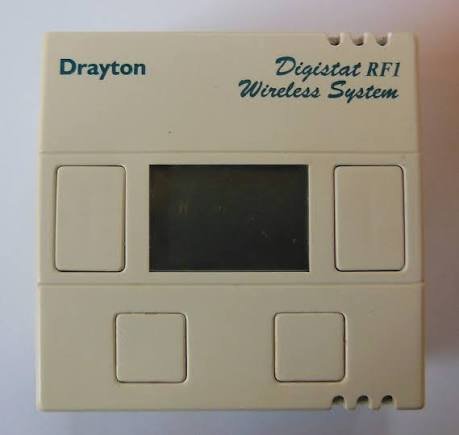
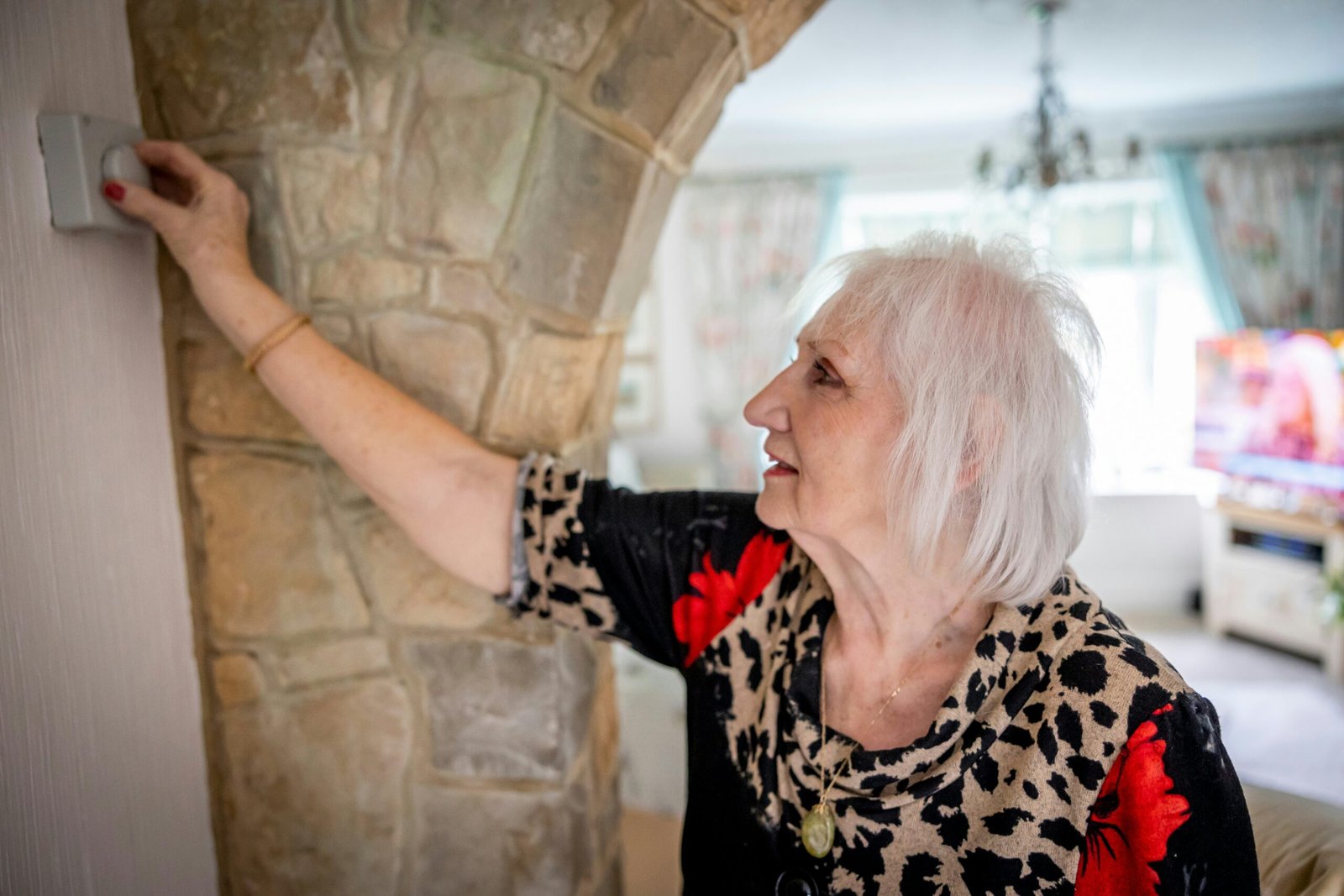
A room thermostat is a device that controls the temperature of your central heating system — or is it?
As a retired central heating engineer, I’ve installed many room thermostats over the years in customers’ homes. They range from the very basic dial thermostat right up to the latest smart thermostat. In reality, they all do the same thing: they simply switch the central heating on, or off.
Most people don’t actually know how theirs works
I’ve seen this first-hand, more times than I can count. I’d often be at a customer’s home servicing their boiler, and they’d ask: “I don’t think my room thermostat is working — do you think I need a new one?”
My answer was always the same: let me finish the boiler service, and I’ll take a look.
The check itself is simple. First, does the boiler fire up when the thermostat’s turned to its highest setting? Then, does it switch off when turned down to its lowest? I’d also check the wiring was secure, nothing loose.
A thermostat is just a switch — on, or off. That’s genuinely all it is.
Most of the time, there was nothing wrong with it at all.
The real problem: location, not the thermostat itself
When I asked why they believed there was a problem, the answer was almost always some version of “it’s too cold in here” or “it’s too hot.” This was extremely common, and the reason was nearly always the same: the thermostat was in the wrong place.
A thermostat should be installed in the coldest part of the property — normally the hallway, near the front door. The reasoning is simple: by the time the thermostat reaches its set temperature there, the rest of the property should already be warm.
Instead, I’ve seen thermostats mounted directly above a radiator in the living room — because it “looks nice” and is easy to reach — along with plenty of other strange spots.
Here’s what people don’t realise: once the thermostat reaches its set temperature, it switches the whole heating system off — regardless of whether other rooms have actually warmed up yet. It only senses the temperature of wherever it is located, not the rest of the property. You’d be surprised how many people simply didn’t believe this was the cause, even when I explained it directly.
A better solution: zoning
One suggestion I’d often raise was splitting the property into zones — downstairs as zone one, upstairs as zone two. This requires the central heating system to be split using motorised valves. It’s straightforward to plan in from new, but a bit more involved to retrofit onto a system that’s already up and running.
One more type worth knowing about
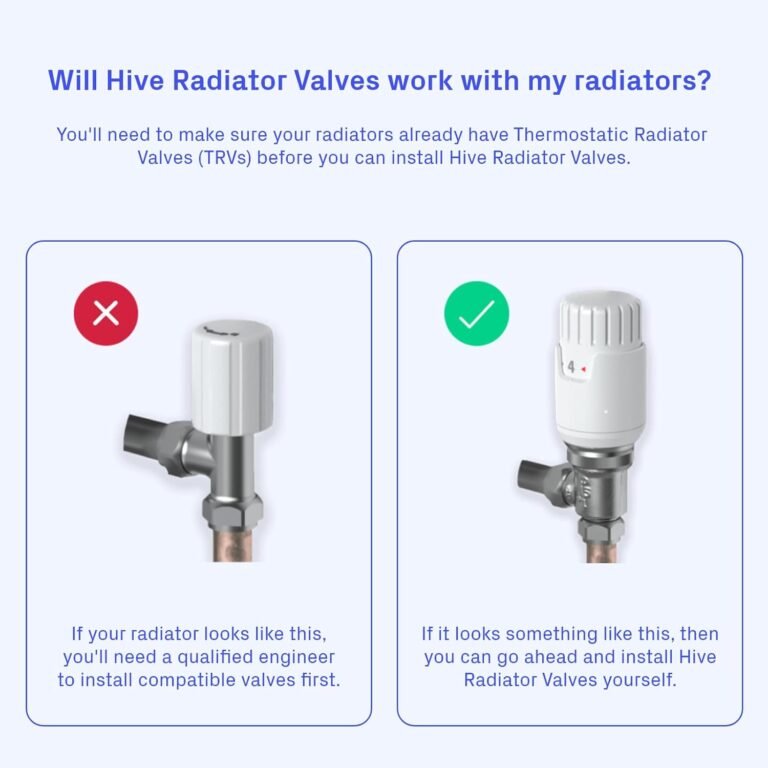
Another control I installed regularly was the TRV — a thermostatic radiator valve. That’s a story for another post on the hub.